Fingernail Drug Testing
Fingernail testing offers a stable and convenient method for drug and alcohol screening. Fingernail samples are simple to collect, easy to transport, and can be stored for testing purposes, making them a useful option for certain testing needs.
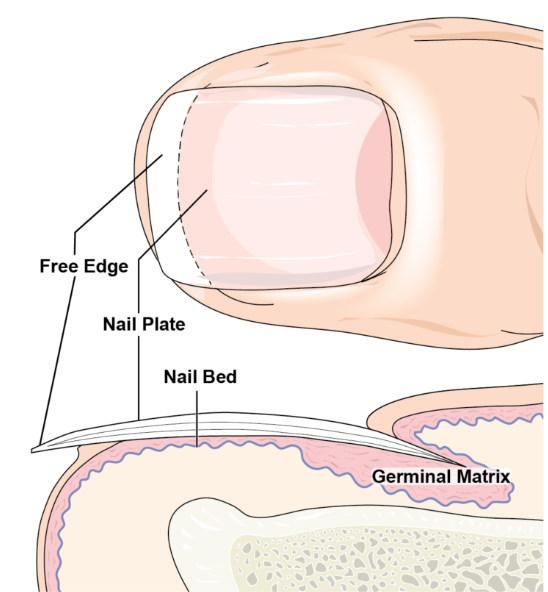
Fingernails are composed of keratin, the same protein found in hair. As the nail grows, substances present in the bloodstream may become incorporated into the keratin structure, where they can remain preserved over time. This allows fingernail testing to provide insight into historical substance exposure based on the portion of nail analyzed.
First Class Testing offers professional testing solutions designed to meet a variety of legal, personal, and workplace requirements..
Fingernails provide a durable testing specimen and may retain drug and alcohol biomarkers for an extended period of time. Because fingernails are thicker than typical hair strands and are composed of keratin, they can provide a reliable sample for certain drug and alcohol testing applications.
Drug and alcohol biomarkers may be detectable in fingernail samples for approximately 3–6 months, depending on factors such as the substance used, amount consumed, individual metabolism, and the portion of the nail analyzed. Following substance use, biomarkers may become detectable in newly grown nail material after approximately 1–2 weeks.
Fingernail samples are collected through a simple clipping process. The donor provides the specimen in the presence of trained collection staff to help ensure proper collection procedures are followed. A sample collected from all ten fingernails, typically consisting of approximately 2–3 mm of nail length, provides an adequate specimen volume for screening and confirmation testing. Larger testing panels or expanded profiles may require additional sample material.
First Class Testing follows professional collection procedures to help ensure specimen integrity and reliable testing results.
HAVE A QUESTION? CALL 586-371-0466
Hair Drug Testing
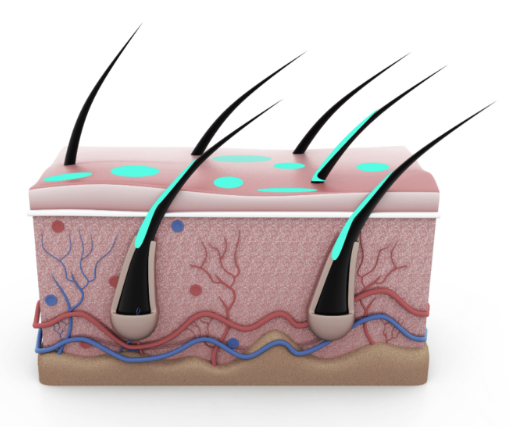
Hair testing is a widely used method for detecting drug and alcohol biomarkers and can provide insight into a person's substance exposure history over time. As hair grows, certain biomarkers may become incorporated into the hair strand, creating a record of exposure that can be analyzed through testing.
When collected close to the scalp, hair samples may provide a detection window of approximately 3 months for many substances, depending on factors such as the substance tested, frequency of use, individual hair growth, and testing requirements.
Hair testing offers several advantages, including a simple collection process, convenient handling, and reduced opportunities for sample tampering compared to some other testing methods. First Class Testing provides professional hair testing services with a focus on accurate results, confidentiality, and reliable procedures.
For hair drug and alcohol testing, an approximately 1.5-inch sample containing about 200 strands of hair (roughly the diameter of a #2 pencil) collected closest to the scalp provides approximately 100 mg of specimen, which is the recommended amount for standard screening and confirmation testing.
For EtG testing, additional testing panels, or tests involving more than 10 panels, a larger specimen amount of approximately 150 mg may be recommended. Specimen weight may be verified using a precision scale to help ensure sufficient sample volume is available for testing.
If scalp hair is unavailable, an equivalent amount of body hair may be collected when permitted by testing requirements. For testing purposes, head hair refers specifically to scalp hair, while body hair includes other hair types, such as facial, axillary, or other body hair.
First Class Testing follows established collection procedures to help ensure proper specimen handling and reliable testing results.